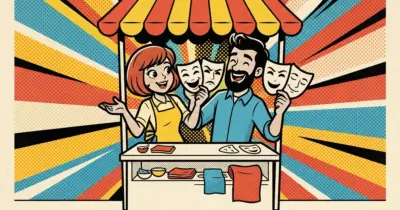
Brand Archetype Quiz
Ever watched a brand send a launch email and wondered what it sounds like from the other side of the screen? Pick one you know, yours or someone else’s, answer for it, and you get a character portrait of how it speaks and decides, not a score. It takes about six minutes. It is a friendly branding conversation starter, not a lab result.
No sign-up. Your result right away.
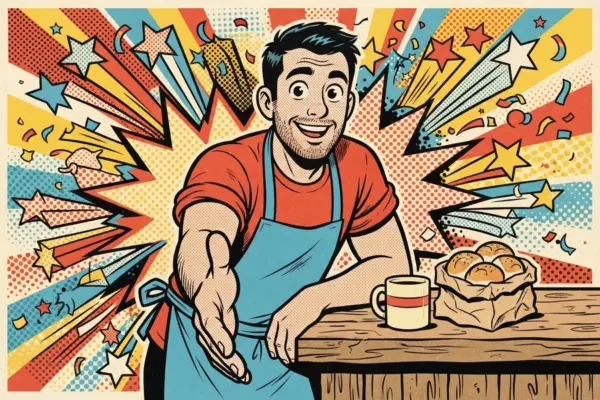
Everyman
«You sit beside the customer, not at the head of the table.»
The test is new — you are among the first hundred to take it.
A price list photocopied on the office machine, stapled crooked, pinned by the till with the pen the staff use for shopping lists. Nobody commissioned a mood board. Right now, the Everyman leads your brand's character.
Buyers relax around your brand because it asks for nothing special, and that ease is a real asset. Personal attention to any single customer stays in the background, the Caregiver's department. Outsiders see no face; the likeness to the customer is the face.
Studies of real brands found the strongest ones mixing archetypes, and customers sort the twelve differently from this framework. Your answers tilt toward the Everyman today, and the Caregiver could have told the story just as well. Being one of the crowd is a stance.
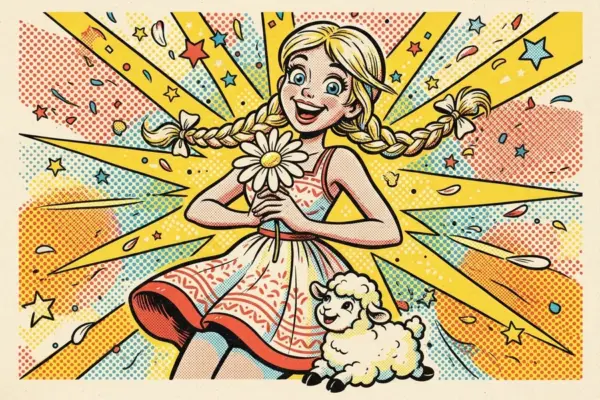
Innocent
«You say it plainly and let the word carry the weight.»
The test is new — you are among the first hundred to take it.
The box lists what is inside in one short line, in type as big as the price. The launch email runs four sentences, and nothing hides in a footnote because there are none. Right now, the Innocent leads your brand's character.
Trust that survives without a lab report is a serious commercial asset, and yours rests on a plain word. Proof and credentials get less room, the Sage's specialty. Naive, say the doubters; the simplicity is a bet on trust over expertise.
More than one archetype shows up in the strongest brands studied, and the twelve-way split sits awkwardly with how customers sort them. This result records only where your answers leaned today, and the Sage might read your brand just as convincingly. Short sentences, long trust.
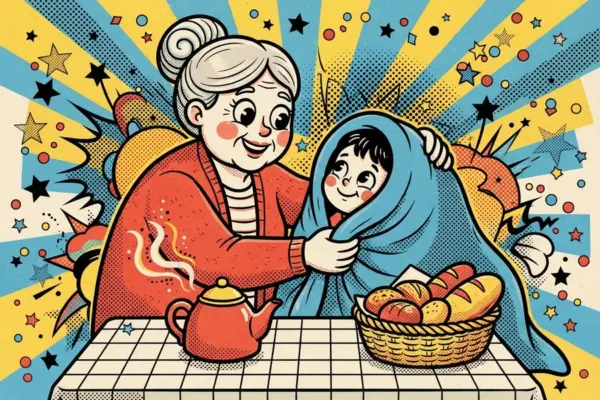
Caregiver
«You pick up the phone before the problem finishes its sentence.»
The test is new — you are among the first hundred to take it.
A delivery goes wrong. The agent calls back that afternoon and stays on the thread until the parcel turns up. A check-in note lands a week later, asking whether everything works. Right now, the Caregiver leads your brand's character.
Follow-through that customers can see becomes your signature, and rivals cannot fake it overnight. Standing shoulder to shoulder, the Everyman's move, takes a back seat to tending, which outsiders sometimes read as hovering.
Real-brand research found the strongest ones blending archetypes, and this twelve-way split sits badly with how customers group them. The Everyman could describe your brand just as well, since your answers only lean this way for now. Service before applause.
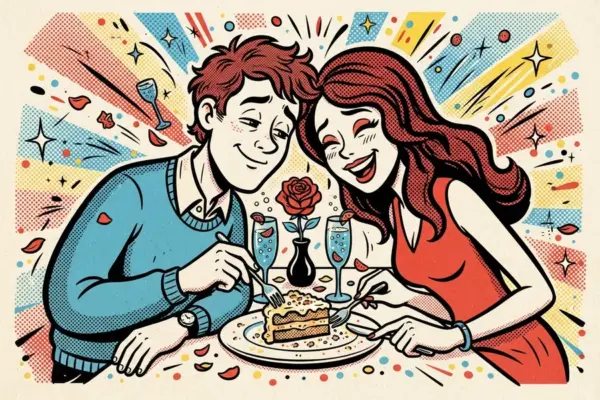
Lover
«You sell the moment; the product happens to be in it.»
The test is new — you are among the first hundred to take it.
The campaign opens on a dim table, two forks and one slice of cake, with the price out of frame and a caption about how the evening will feel. Right now, the Lover leads your brand's character.
Desire and warmth sell alongside usefulness, and your brand knows how to ask for both. Changing a customer's situation, the Magician's promise, gets less airtime. Skeptics call it style without substance, but what you sell is the relationship and the feeling.
Researchers who studied real brands saw the strongest ones draw on several archetypes at once, and customers cluster the twelve differently from the framework. Your result is a lean for now, not a fixed identity. The Magician fits the same answers about as well. Keep the lights low.
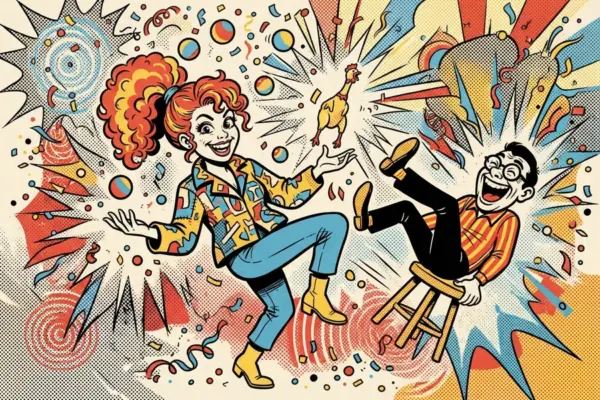
Jester
«You make the plain thing funny and the funny thing stick.»
The test is new — you are among the first hundred to take it.
The returns page carries a cartoon of a parcel waving goodbye. The apology for a late delivery opens with a pun about snails, and customers screenshot both. Right now, the Jester leads your brand's character.
Lightness is a gift that serious rivals cannot copy, and your humor gets the brand noticed. Quiet, unremarkable reliability, the Everyman's strength, sits further back. People can mistake the jokes for a lightweight brand.
The strongest real brands studied borrow from more than one archetype, which is one reason a twelve-box framework sits awkwardly with how customers sort things. Your answers lean toward the Jester today, nothing more, and the Everyman could tell the story too. Laughter is also a business decision.
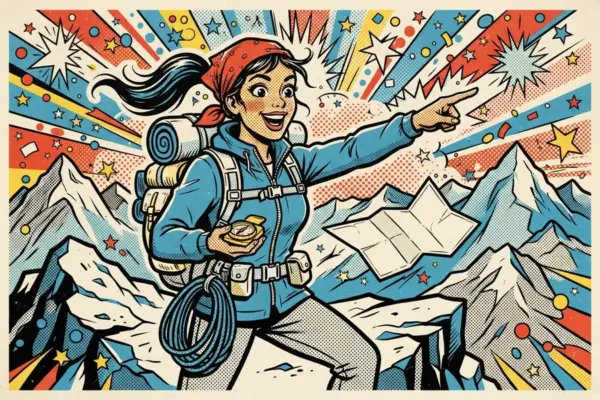
Explorer
«You point at the blank corner of the map and start walking.»
The test is new — you are among the first hundred to take it.
The launch page shows a half-drawn map, a tent and a list of open problems, and the newsletter reads like a field report sent before the route is fully known. Right now, the Explorer leads your brand's character.
Curiosity and independence are assets a settled competitor cannot claim with a straight face. Making things from scratch, the Creator's ground, matters less to you than finding them. Restless, say outsiders; the identity is built on the new, not on polishing the known.
One more thing about labels. Real-brand research found the strongest ones borrowing from several archetypes, and customers group the twelve differently from this framework. Your answers point here today, and the Creator could have claimed the same brand. Better lost than repeated.
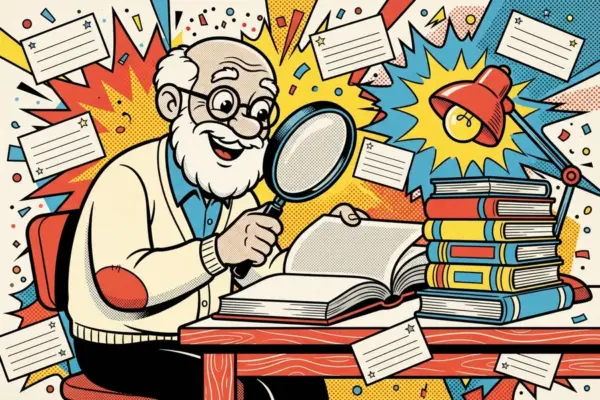
Sage
«You bring the receipts, and the receipts do the talking.»
The test is new — you are among the first hundred to take it.
A footnote number in the ad leads to a page with the method, the sample and the lab that repeated the test. Nobody has to take the brand on faith. Right now, the Sage leads your brand's character.
Evidence gives your brand credibility that a trust-only rival cannot back up. Open, simple belief, the Innocent's specialty, has less room in a message so full of footnotes, and the result can look cold or academic, when proof simply comes before warmth.
Research on real brands found the strongest ones blending archetypes. Customers also group the twelve differently from this framework. So treat the Sage as where your answers lean today; the Innocent could describe your brand equally well. Sources first, charm second.
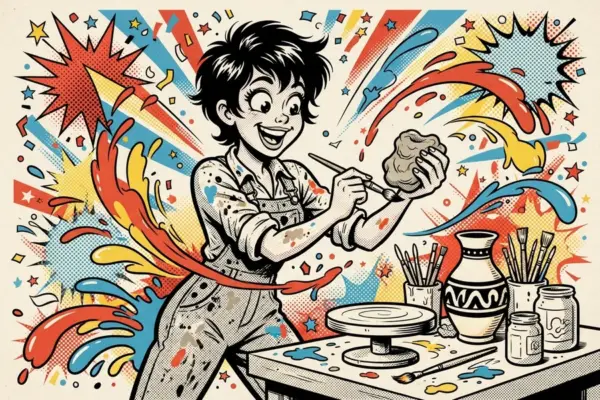
Creator
«You would rather make the thing than go and find it.»
The test is new — you are among the first hundred to take it.
The product page opens on the workbench. Sketches, a failed prototype, a sample in a material nobody else in the category uses. The copy names the person who drew it. Right now, the Creator leads your brand's character.
An original hand is a marketable claim, and a finding-minded rival does not make it the same way. Discovery of what already exists, the Explorer's ground, gets less attention. Niche, some call it; self-admiring, even. The making itself is what your brand sells.
Studies of strong real brands found blends of archetypes, and customers group the twelve differently from this framework, so a single label only ever leans. Right now your answers lean toward the Creator, and the Explorer could describe the same brand. The maker's mark stays on.
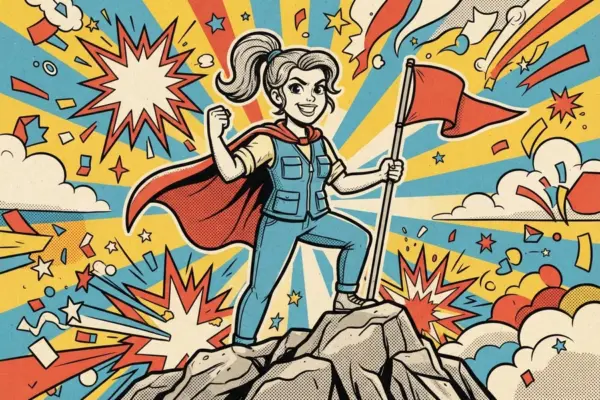
Hero
«You pick the hard job and finish it in public.»
The test is new — you are among the first hundred to take it.
The year-end letter opens with the job that nearly broke the season: the broken machine, the missed deadline, the delivery that still made it. The headline is the result. Right now, the Hero leads your brand's character.
A provable achievement is an asset a status-first rival does not stake its message on. Lasting command of a whole field, the Ruler's ground, comes second to winning the contest in front of you. Combative and one-note is the quick read; the real center is one winnable job.
Real-brand research found strong brands blending archetypes, and customers sort the twelve in ways this framework misses. Your answers tilt toward the Hero for now, and the Ruler could describe the brand as well. Next job, please.
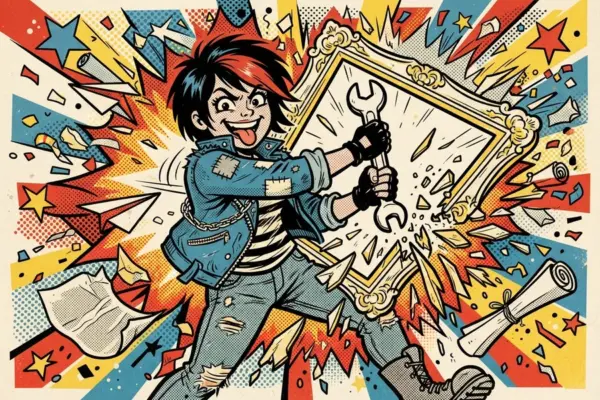
Outlaw
«You found the rule everyone follows and walked the other way.»
The test is new — you are among the first hundred to take it.
A headline above the logo names the industry habit the campaign rejects, and the packaging drops the feature the whole category treats as required. The trade press notices. Right now, the Outlaw leads your brand's character.
Independence from the mainstream is a claim that rule-followers cannot make. Competing inside the accepted game, the Hero's arena, gets less of your energy. Reckless or hostile is the lazy reading; the target is one specific convention, not authority as such.
Researchers studying real brands found the strongest ones borrowing from several archetypes. Customers, meanwhile, group the twelve differently from this framework. Treat the Outlaw as your lean today, with the Hero a fair rival reading of the same answers. Somebody had to say it.
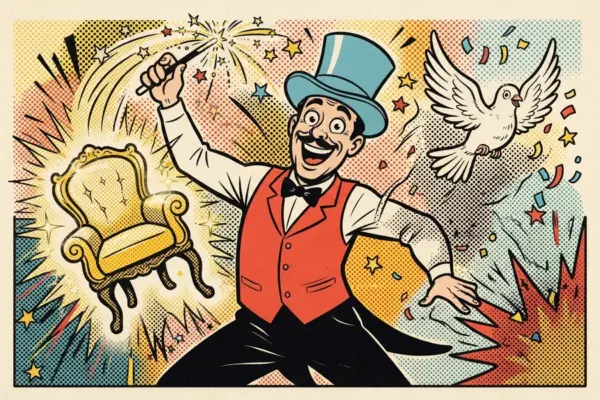
Magician
«You sell the after; the before just watches.»
The test is new — you are among the first hundred to take it.
The launch email sets a cluttered desk on Monday beside the same desk once the product arrived, under a headline that promises a different working life. Replies ask where to sign. Right now, the Magician leads your brand's character.
Promising change gives the brand a claim to insight and to shifting outcomes, not just describing them. Closeness, the Lover's territory, gets less attention, since the job is changing a state, not sitting near it. Overreach, some will say. Change itself is what you sell.
The strongest brands in real-world research borrow from several archetypes, and customers sort the twelve in their own way. Your answers lean toward the Magician today, and the Lover could describe your brand as well. Abracadabra, but with a plan.
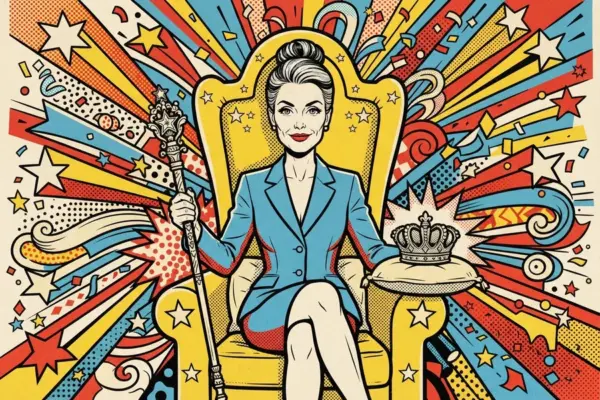
Ruler
«You set the standard, and the others check their watches.»
The test is new — you are among the first hundred to take it.
The new catalog begins with the tolerances, the approved dealer list and the price of the top tier in the larger type, and competitors copy the layout within a season. Right now, the Ruler leads your brand's character.
Steadiness and control form a claim that a single-contest rival cannot make. The thrill of one battle won, the Hero's territory, takes second place, and from outside that can look distant or status-obsessed, when what you sell is command of a whole domain.
Real brands studied by researchers mix archetypes at the strongest end, and customers group the twelve differently from this framework. Your answers lean toward the Ruler for now; the Hero could describe the brand about as well. Order is the product.
About this test
How this test works
The result shows which of twelve brand character types the answers lean toward most. The types come from a common branding model, pointed here at what a brand says and how it decides, so the answers describe the brand the reader had in mind, not the reader.
Two cautions apply. Dividing brand character into twelve is a convention from the marketing world, and when real survey respondents were asked to sort the categories, they ended up with groups that did not match the model's original layout. Recent work on actual brands adds that the strongest ones mix several archetypes, so one result is a conversation opener about brand voice, not a fixed label.
Brand personality as such does have independent support. A separate, peer-reviewed scale, developed from consumer surveys of its own, points at different dimensions, among them ruggedness, excitement and sophistication, and it never mentions these twelve names. It supports measuring brand personality at all, not this twelve-part scheme. The older, general idea of repeating character types has background reading in this overview of archetypes in psychology.
The quiz is independent of any commercial archetype assessment, with no ties of any sort. Nothing suggests that finding or adopting an archetype improves business or sales results.
Frequently asked questions
What is the difference between a brand archetype and a personal archetype?
A brand archetype is a type of character a company comes across as, judged from its messages and its choices. This quiz asks about a brand you know, so the result describes that brand. A personal archetype test is a cousin of the idea that looks at the person answering instead.
Who invented the twelve brand archetypes?
Not the originator of the broader idea. The twelve-name set is a later contribution from a branding book, which borrowed the older notion that character types recur and applied it to how companies present themselves. That older notion came without this list.
Can one brand fit several archetypes at once?
Yes. Studies of actual brands point to the strongest ones mixing several archetypes rather than staying in one lane. The result here points to the archetype your answers favored most, so it is a lean, not an exclusive label.
Is the theory of brand archetypes backed by science?
No, not as a classification. The only direct empirical check that turned up found real respondents sorting the twelve categories into groups unlike the ones the model's creators proposed. Its standing is that of a working branding tool, which is useful but unproven.
Is this brand archetype test free, and is an email required?
It is free, and no email is requested. The test runs 24 questions in total, and your result appears the moment the last answer is in, with nothing in between. Each of the twelve archetypes gets equal room along the way.
Sources
- Mark, M., & Pearson, C. S. (2001). The Hero and the Outlaw: Building Extraordinary Brands Through the Power of Archetypes. McGraw-Hill.
- Aaker, J. L. (1997). Dimensions of Brand Personality. Journal of Marketing Research, 34(3), 347-356. doi:10.1177/002224379703400304
- Spangenberg, K. (2021). Brand Archetypes (doctoral dissertation). University of Washington, Foster School of Business.
- Merlo, O., Eisingerich, A. B., Gillingwater, R., & Cao, J. J. (2023). Exploring the changing role of brand archetypes in customer-brand relationships: Why try to be a hero when your brand can be more? Business Horizons, 66(5), 615-629. doi:10.1016/j.bushor.2022.11.001
Three more tests on the same theme
Breakdown
There's a reason you answer the way you do
Most tests show you a slice of who you are. This one gets to the core: the classic 16-type personality test that goes back to Carl Jung, rebuilt from the ground up and way more accurate. It takes ten minutes, you only ever do it once — and you walk away with an answer most people never quite figure out: why you are the way you are. Why some people just get you, and why with others it's complicated. And that answer won't change: your type is yours for life.
Take the free testHow you compare
The test is new — you are among the first hundred to take it.
Three more tests on the same theme
About this test
How this test works
The result shows which of twelve brand character types the answers lean toward most. The types come from a common branding model, pointed here at what a brand says and how it decides, so the answers describe the brand the reader had in mind, not the reader.
Two cautions apply. Dividing brand character into twelve is a convention from the marketing world, and when real survey respondents were asked to sort the categories, they ended up with groups that did not match the model's original layout. Recent work on actual brands adds that the strongest ones mix several archetypes, so one result is a conversation opener about brand voice, not a fixed label.
Brand personality as such does have independent support. A separate, peer-reviewed scale, developed from consumer surveys of its own, points at different dimensions, among them ruggedness, excitement and sophistication, and it never mentions these twelve names. It supports measuring brand personality at all, not this twelve-part scheme. The older, general idea of repeating character types has background reading in this overview of archetypes in psychology.
The quiz is independent of any commercial archetype assessment, with no ties of any sort. Nothing suggests that finding or adopting an archetype improves business or sales results.
Frequently asked questions
What is the difference between a brand archetype and a personal archetype?
A brand archetype is a type of character a company comes across as, judged from its messages and its choices. This quiz asks about a brand you know, so the result describes that brand. A personal archetype test is a cousin of the idea that looks at the person answering instead.
Who invented the twelve brand archetypes?
Not the originator of the broader idea. The twelve-name set is a later contribution from a branding book, which borrowed the older notion that character types recur and applied it to how companies present themselves. That older notion came without this list.
Can one brand fit several archetypes at once?
Yes. Studies of actual brands point to the strongest ones mixing several archetypes rather than staying in one lane. The result here points to the archetype your answers favored most, so it is a lean, not an exclusive label.
Is the theory of brand archetypes backed by science?
No, not as a classification. The only direct empirical check that turned up found real respondents sorting the twelve categories into groups unlike the ones the model's creators proposed. Its standing is that of a working branding tool, which is useful but unproven.
Is this brand archetype test free, and is an email required?
It is free, and no email is requested. The test runs 24 questions in total, and your result appears the moment the last answer is in, with nothing in between. Each of the twelve archetypes gets equal room along the way.
Sources
- Mark, M., & Pearson, C. S. (2001). The Hero and the Outlaw: Building Extraordinary Brands Through the Power of Archetypes. McGraw-Hill.
- Aaker, J. L. (1997). Dimensions of Brand Personality. Journal of Marketing Research, 34(3), 347-356. doi:10.1177/002224379703400304
- Spangenberg, K. (2021). Brand Archetypes (doctoral dissertation). University of Washington, Foster School of Business.
- Merlo, O., Eisingerich, A. B., Gillingwater, R., & Cao, J. J. (2023). Exploring the changing role of brand archetypes in customer-brand relationships: Why try to be a hero when your brand can be more? Business Horizons, 66(5), 615-629. doi:10.1016/j.bushor.2022.11.001
