
Enneagram Type Test
What do you do when plans change, a friend goes quiet or the group needs a decision? That reflex says more about you than a label does. Choose the reaction that feels like yours in each everyday scene and you’ll get one of nine portraits, with its strengths and its price tag. It takes about 14 minutes, and it’s a thoughtful read, not a lab verdict.
No sign-up. Your result right away.

Type 9 Peacemaker
«Peace is what you quietly build wherever you go.»
The test is new — you are among the first hundred to take it.
The playlist argument is heating up, so you slide the snack bowl between the two sides and hum along to a song nobody picked. Ten minutes later everyone is smiling and your own favorite didn't get a vote. Type 9 Peacemaker strikes again, and the bill arrives later.
Calm follows you around because you soften rooms without trying, and very little knocks you off balance. The cost is quieter: your own preferences get put on hold, and your projects drift.
Treat this as a sketch rather than a ruling. A close call between two types is perfectly normal, and you may spot yourself in other results too. No outside reviewer has checked a quiz like this one, so order first at dinner tonight.
Type 6 Loyalist
«You'd like the backup plan confirmed before you promise anything.»
The test is new — you are among the first hundred to take it.
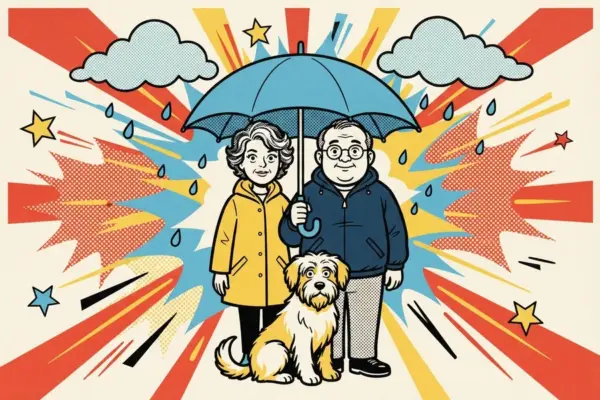
The cabin trip sounds great, so you ask who booked it, whether the refund really works and what happens if it rains. Your friends sigh, then thank you at the flooded campsite. You've just acted out Type 6 Loyalist, and the sigh is only half the story.
Responsibility comes naturally to you, along with a sharp eye for the risk a plan is hiding. Once something proves solid, you hold it up for the group. The cost is a see-saw between asking for reassurance and doubting it, which wears on your calm.
Take this as a first draft. Online tests like this have not faced a proper outside check, so weigh this against your own week. A near-tie between two types is normal, and other results will sound like you too. Solid ground exists, and you're good at finding it.

Type 7 Enthusiast
«Why would you pick one door when the hallway is open?»
The test is new — you are among the first hundred to take it.
A pottery class gets mentioned over coffee, and before it cools you've booked a seat, found a second class and started a list of weekends. The energy spreads across the table. That is Type 7 Enthusiast in its natural habitat, and the list already has a sequel.
A dull plan turns into a good story the moment you touch it, and you pivot as quickly as the weather does. The unfinished pile is the bill, since the next shiny thing shows up before the boring part ends. Echoes of other results are likely too, and a photo finish between two types is common.
Online quizzes like ours haven't been vetted by independent reviewers, so use this one as a mirror, not a verdict. If you finish one thing this week, that's the plot twist.

Type 4 Individualist
«You'd rather be understood in full than liked in part.»
The test is new — you are among the first hundred to take it.
A song at a crowded gathering turns out to be exactly your mood from three summers ago, and the room goes distant. Someone asks what's wrong, and you search for words that actually fit instead of a polite nothing. You've just met Type 4 Individualist, and the words matter.
Feelings and beauty register with you in the plainest corners, which is why people bring you the deep conversations. The long look at what's missing comes with it, and it can leave your mood bumpier and you more alone than you meant to be. Pieces of other results will fit too, and a tie at the top is nothing odd.
Nobody outside has put online tests like this through a proper check, so let your own memory be the judge. Is your own voice really so hard to trust?
Type 1 Reformer
«You see how it should be, and it's hard to unsee.»
The test is new — you are among the first hundred to take it.
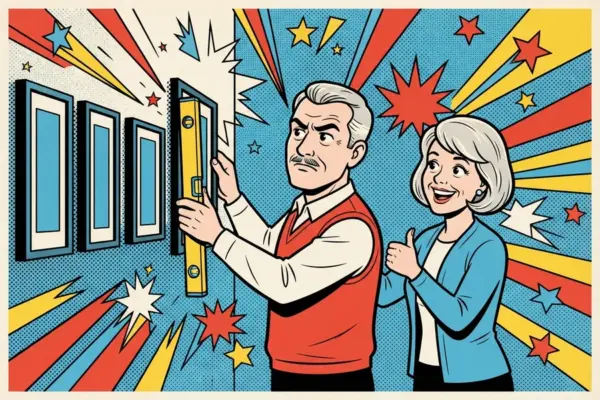
The frame on a stranger's wall hangs a few degrees off, so you straighten it before you finish your tea. A small relief follows, until your eye lands on the shelf beside it. That is Type 1 Reformer: the relief is short-lived.
When you call a job done, it is done, and people lean on that. The tug between how things are and how they ought to be does not let go, and it leaves less room for improvising.
Bits of other results may ring true, and a near-tie between two types is routine. Check the portrait against your own track record, since independent validation of online quizzes doesn't exist yet. Your inner inspector can clock off at six.

Type 2 Helper
«You notice the empty mug before anyone asks for a refill.»
The test is new — you are among the first hundred to take it.
A friend mentions a hard week, and by evening you've dropped off soup, a playlist and a reminder to sleep. When they say thank you, you wave it off and ask about them instead. Type 2 Helper in action, and the part you skip over is the interesting one.
People call you when something goes wrong because warmth and attention come as a set with you. You give more than anyone asked and mute your own needs, which leaves little room for plans that belong only to you.
Other results will sound partly like you, and a dead heat at the top is nothing to fix. Outside validation hasn't reached online quizzes of this kind. Someone has been waiting to do you a favor.

Type 3 Achiever
«You can make a good result look effortless.»
The test is new — you are among the first hundred to take it.
The presentation starts in an hour, and you're already trimming the slide that won't land and rehearsing the line that will. It works; the room nods. A quieter question sits unasked in the meantime, the kind Type 3 Achiever tends to skip, and it deserves a minute.
Plans move when you're in the room, and you read the mood well. Shaping yourself to whatever earns a nod is the price, and it can leave you less soft and less simple than you'd like.
No type captures a whole person, and landing level between your top two is common. Read this as a self-portrait, since no independent body has validated it. A win nobody applauds still counts.

Type 8 Challenger
«You say it straight, and the room gets honest.»
The test is new — you are among the first hundred to take it.
Someone announces that the plan is decided and you only need to sign. You put the pen down, ask who decided and why, and wait. Silence doesn't bother you. Type 8 Challenger: firm about your own say, curious how far a line goes.
Things start moving the second you say what you want. The push is the cost, since you lean on situations to see what holds, and the people close to you could use a softer landing. A single type doesn't cover a whole person, so expect echoes of other results.
Independent reviewers haven't signed off on this kind of quiz, and a close call between your top two is routine. You're allowed to win and be gentle in the same breath.

Type 5 Investigator
«You'll join in once you understand how it works.»
The test is new — you are among the first hundred to take it.
The plan gets argued over at the meeting while you fill a page with questions you haven't asked yet. Afterwards you send one precise message that changes the plan. Type 5 Investigator: the quiet was a workshop.
Your opinions are your own and carefully built. You keep more than you share, and privacy can drift into isolation, with less warmth and company than you'd quietly enjoy. Whether this fits is yours to check, since independent validation of tests like this doesn't exist.
Other results may echo, and a dead heat between two types is ordinary. Your notebook is full; the room is waiting.
About this test
How this test works
Think of this quiz as a portrait of motive, not a measurement of behavior. It borrows the traditional Enneagram model, which describes people through nine styles of motivation: what each style reaches toward and what it steers around. The scenes you answer are meant to catch the motive under a reaction, since very different motives can produce the same visible behavior. A result describes a pattern of motivation. It is not a diagnosis, and it says nothing about personality disorders.
Ideas that sit next to the model, such as one type leaning toward its neighbor or people moving between types under stress or growth, have not held up in testing and play no part here. Many people land almost evenly on two types, and that is a normal outcome, so treat the result as a place to start rather than a ruling. Studies of the model are still few, and no tool of this kind, free or paid, has been checked by an outside party with clean results. For background, see what psychology means by a personality type and an overview article on the model.
Frequently asked questions
How accurate is an online Enneagram test?
No neutral reviewer has ever compared online Enneagram quizzes side by side, so no quiz can honestly say it beats another. A number quoted on a site comes from the people running that site, and nobody else has checked it. We don't offer one.
How many questions are in the Enneagram test, and how long does it take?
There are 63 questions, enough to touch every one of the nine in turn. Plan on about 14 minutes from start to finish.
Can your Enneagram type change over time?
Most Enneagram writing assumes your basic motive stays put through life. Changes people notice are usually the same motive wearing different clothes, such as a new routine or a loosened habit, not a switch to another type. Researchers haven't settled it in either direction, so hold strong claims loosely.
Which Enneagram type is the most common, and which is the rarest?
Type 9 Peacemaker shows up most often in the data we looked at, with Type 5 Investigator among the rarest. The picture isn't unanimous: one big commercial collection of results tells another story. Self-selected online samples are not the whole population, so treat any ranking as a hint.
What is a wing in the Enneagram?
People who use the idea say a wing is a pull from the type next door. Studies haven't managed to back it up, so nothing in this test depends on it, and your result is one type only.
Is the Enneagram scientific?
The research is mixed and leans skeptical on whether the model holds up under testing. This quiz borrows the model as a way to describe motives, and it doesn't pretend to prove anything scientifically.
Sources
- Hook, J. N., Hall, T. W., Davis, D. E., Van Tongeren, D. R., & Conner, M. (2021). The Enneagram: A systematic review of the literature and directions for future research. Journal of Clinical Psychology, 77(4), 865–883. doi:10.1002/jclp.23097
- Sutton, A. (2012). "But is it real?" A review of research on the Enneagram. The Enneagram Journal, 5(1), 5–20.
- Norcross, J. C., Koocher, G. P., & Garofalo, A. (2006). Discredited psychological treatments and tests: A Delphi poll. Professional Psychology: Research and Practice, 37(5), 515–522. doi:10.1037/0735-7028.37.5.515
Three more tests on the same theme



Breakdown
There's a reason you answer the way you do
Most tests show you a slice of who you are. This one gets to the core: the classic 16-type personality test that goes back to Carl Jung, rebuilt from the ground up and way more accurate. It takes ten minutes, you only ever do it once — and you walk away with an answer most people never quite figure out: why you are the way you are. Why some people just get you, and why with others it's complicated. And that answer won't change: your type is yours for life.
Take the free testHow you compare
The test is new — you are among the first hundred to take it.
Three more tests on the same theme
About this test
How this test works
Think of this quiz as a portrait of motive, not a measurement of behavior. It borrows the traditional Enneagram model, which describes people through nine styles of motivation: what each style reaches toward and what it steers around. The scenes you answer are meant to catch the motive under a reaction, since very different motives can produce the same visible behavior. A result describes a pattern of motivation. It is not a diagnosis, and it says nothing about personality disorders.
Ideas that sit next to the model, such as one type leaning toward its neighbor or people moving between types under stress or growth, have not held up in testing and play no part here. Many people land almost evenly on two types, and that is a normal outcome, so treat the result as a place to start rather than a ruling. Studies of the model are still few, and no tool of this kind, free or paid, has been checked by an outside party with clean results. For background, see what psychology means by a personality type and an overview article on the model.
Frequently asked questions
How accurate is an online Enneagram test?
No neutral reviewer has ever compared online Enneagram quizzes side by side, so no quiz can honestly say it beats another. A number quoted on a site comes from the people running that site, and nobody else has checked it. We don't offer one.
How many questions are in the Enneagram test, and how long does it take?
There are 63 questions, enough to touch every one of the nine in turn. Plan on about 14 minutes from start to finish.
Can your Enneagram type change over time?
Most Enneagram writing assumes your basic motive stays put through life. Changes people notice are usually the same motive wearing different clothes, such as a new routine or a loosened habit, not a switch to another type. Researchers haven't settled it in either direction, so hold strong claims loosely.
Which Enneagram type is the most common, and which is the rarest?
Type 9 Peacemaker shows up most often in the data we looked at, with Type 5 Investigator among the rarest. The picture isn't unanimous: one big commercial collection of results tells another story. Self-selected online samples are not the whole population, so treat any ranking as a hint.
What is a wing in the Enneagram?
People who use the idea say a wing is a pull from the type next door. Studies haven't managed to back it up, so nothing in this test depends on it, and your result is one type only.
Is the Enneagram scientific?
The research is mixed and leans skeptical on whether the model holds up under testing. This quiz borrows the model as a way to describe motives, and it doesn't pretend to prove anything scientifically.
Sources
- Hook, J. N., Hall, T. W., Davis, D. E., Van Tongeren, D. R., & Conner, M. (2021). The Enneagram: A systematic review of the literature and directions for future research. Journal of Clinical Psychology, 77(4), 865–883. doi:10.1002/jclp.23097
- Sutton, A. (2012). "But is it real?" A review of research on the Enneagram. The Enneagram Journal, 5(1), 5–20.
- Norcross, J. C., Koocher, G. P., & Garofalo, A. (2006). Discredited psychological treatments and tests: A Delphi poll. Professional Psychology: Research and Practice, 37(5), 515–522. doi:10.1037/0735-7028.37.5.515
