Attachment Project Quiz
When life gets heavy, who gets the call: someone close, or nobody? And when things are quiet, do you keep checking on the bond or trust it to hold? Pick the answer closest to what you would actually do in each everyday scene. In about five minutes you get one of four pictures of how you look for closeness and use it. It’s a light self-report to think with, not a verdict on you or on anyone else.
No sign-up. Your result right away.

Secure
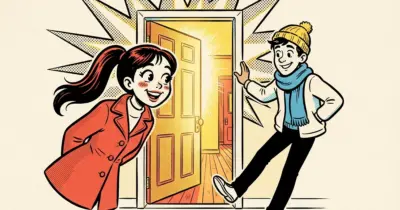
«You assume the door is open, and you walk through it.»
The test is new — you are among the first hundred to take it.
A friend cancels dinner at the last minute. You say it's fine, pick another night, and later admit the week flattened you. Neither step costs you a second thought. That's secure: you spend little energy wondering where you stand, and you lean on people without a fuss.
Closeness and independence sit side by side in you, and you ask for support as easily as you give it. The catch: staying connected costs you so little that you can miss the friend who needs something said aloud.
Neither of your readings snaps to a corner, and sitting near the middle of both is an everyday outcome.
This says nothing about any relationship, only about you. Now and then it helps to say out loud what feels obvious to you.

Anxious-Preoccupied
«You would rather ask than wonder, so you ask.»
The test is new — you are among the first hundred to take it.
The reply is one word, all lowercase, no exclamation mark. You read it three times, draft a breezy answer, then ask straight out whether all is well. That's anxious-preoccupied: you watch for small shifts in how things stand, and you reach toward people rather than away.
Your watchfulness catches real changes early. It can also hear a slow reply louder than it is, and your check-ins can run ahead of the moment.
Both lines slide, so a reading near the middle of either is ordinary for your answers here, not a lifelong trait. It doesn't mean you want too much. It says nothing about any bond being in trouble.
A plain question, asked once and then let go, suits you well.

Dismissive-Avoidant
«You'd rather fix it than turn it into a conversation.»
The test is new — you are among the first hundred to take it.
Your tap leaks, your week caves in, and when a friend asks how you are, you say busy, thanks. The plumber is booked and nobody knows. That's dismissive-avoidant: you're calm about where you stand, and used to handling things yourself even when help is on offer.
Your independence keeps your problems off anyone else's doorstep. The price is that real needs, your own included, can go unspoken, and a warm hug may feel like pressure before it feels like warmth. Landing near the middle of either line is a common outcome, and it describes these answers, not your whole life.
None of this is coldness or not caring, and it speaks only about you, not about any relationship.
You fix things well; the only open question is who gets to watch.

Fearful-Avoidant
«You want the warmth, and you keep one eye on the exit.»
The test is new — you are among the first hundred to take it.
A friend offers you a seat and a hot drink, and part of you leaps at it. You say you're fine anyway and watch their face for proof they meant it. That's fearful-avoidant: you pick up small signs of distance, and you're pulled to hold yourself together alone.
You read people well and can steady yourself. The cost: you want closeness and guard against its risk in the same breath, so welcome comfort can meet a pause.
A result near the middle of one or both lines would be just as ordinary for you here. This is a general self-description, not a diagnosis; it isn't the clinical category called disorganized attachment from child psychology, nor evidence of childhood trauma or a lifelong state.
You can want the door open and still hover at the threshold.
About this test
How this test works
This quiz is an approach in the spirit of a long research tradition on adult closeness. It looks at two separate, sliding lines: how closely a person watches for signs that a bond is thinning, and how much a person prefers to cope alone rather than lean on others. Each line is settled on its own from your answers, and the pair of results gives one of four familiar names: secure, anxious-preoccupied, dismissive-avoidant or fearful-avoidant. Each name is simply one combination of the two results; for the vocabulary itself, see the dictionary definition of an attachment style.
It is not a copy of any branded questionnaire and does not replace one. It makes no forecast about how a relationship will go and no statement about how you would fit with anyone. The scenes concern people close to you, such as friends, family or a partner, so the picture holds whether or not you are in a relationship now, and it covers only you. Because both lines are continuous, any split into high and low is a way of showing results rather than something the research dictates, and a result near the middle is what to expect.
The result describes your answers; it is no clinical diagnosis and no verdict on any bond. Fearful-avoidant here is not the clinical category of disorganized attachment from child psychology and is no sign of childhood trauma. For a real assessment, speak to a qualified professional.
Frequently asked questions
Can an online quiz tell me anything reliable about how I attach, or diagnose me?
No quiz can diagnose you. This one asks you to report on yourself, so it is only as accurate as your view of yourself today. Treat it as food for thought rather than an expert's opinion or a judgment on any relationship. If you want a proper assessment, ask a qualified specialist.
Which styles of adult closeness exist, and how do they differ?
People usually talk about four: secure, anxious-preoccupied, dismissive-avoidant and fearful-avoidant, the last sometimes called disorganized. They are combinations rather than separate types, and each person's name comes from two judgments made separately.
How long is this quiz?
It has 24 questions, each a small everyday scene about people close to you, split evenly between its two themes. Allow about five minutes.
Is an attachment style fixed for life, or can it shift?
It can shift. A result describes how you answered today. New experiences and new people can move you over the years, so treat it as a snapshot.
Sources
- Fraley, R. C., Waller, N. G., & Brennan, K. A. (2000). An item response theory analysis of self-report measures of adult attachment. Journal of Personality and Social Psychology, 78(2), 350–365.
- Bartholomew, K., & Horowitz, L. M. (1991). Attachment styles among young adults: A test of a four-category model. Journal of Personality and Social Psychology, 61(2), 226–244.
- Hazan, C., & Shaver, P. (1987). Romantic love conceptualized as an attachment process. Journal of Personality and Social Psychology, 52(3), 511–524. doi:10.1037/0022-3514.52.3.511.
- Ainsworth, M. D. S., Blehar, M. C., Waters, E., & Wall, S. (1978). Patterns of Attachment: A Psychological Study of the Strange Situation. Hillsdale, NJ: Erlbaum.
Three more tests on the same theme



Breakdown
There's a reason you answer the way you do
Most tests show you a slice of who you are. This one gets to the core: the classic 16-type personality test that goes back to Carl Jung, rebuilt from the ground up and way more accurate. It takes ten minutes, you only ever do it once — and you walk away with an answer most people never quite figure out: why you are the way you are. Why some people just get you, and why with others it's complicated. And that answer won't change: your type is yours for life.
Take the free testHow you compare
The test is new — you are among the first hundred to take it.
Three more tests on the same theme
About this test
How this test works
This quiz is an approach in the spirit of a long research tradition on adult closeness. It looks at two separate, sliding lines: how closely a person watches for signs that a bond is thinning, and how much a person prefers to cope alone rather than lean on others. Each line is settled on its own from your answers, and the pair of results gives one of four familiar names: secure, anxious-preoccupied, dismissive-avoidant or fearful-avoidant. Each name is simply one combination of the two results; for the vocabulary itself, see the dictionary definition of an attachment style.
It is not a copy of any branded questionnaire and does not replace one. It makes no forecast about how a relationship will go and no statement about how you would fit with anyone. The scenes concern people close to you, such as friends, family or a partner, so the picture holds whether or not you are in a relationship now, and it covers only you. Because both lines are continuous, any split into high and low is a way of showing results rather than something the research dictates, and a result near the middle is what to expect.
The result describes your answers; it is no clinical diagnosis and no verdict on any bond. Fearful-avoidant here is not the clinical category of disorganized attachment from child psychology and is no sign of childhood trauma. For a real assessment, speak to a qualified professional.
Frequently asked questions
Can an online quiz tell me anything reliable about how I attach, or diagnose me?
No quiz can diagnose you. This one asks you to report on yourself, so it is only as accurate as your view of yourself today. Treat it as food for thought rather than an expert's opinion or a judgment on any relationship. If you want a proper assessment, ask a qualified specialist.
Which styles of adult closeness exist, and how do they differ?
People usually talk about four: secure, anxious-preoccupied, dismissive-avoidant and fearful-avoidant, the last sometimes called disorganized. They are combinations rather than separate types, and each person's name comes from two judgments made separately.
How long is this quiz?
It has 24 questions, each a small everyday scene about people close to you, split evenly between its two themes. Allow about five minutes.
Is an attachment style fixed for life, or can it shift?
It can shift. A result describes how you answered today. New experiences and new people can move you over the years, so treat it as a snapshot.
Sources
- Fraley, R. C., Waller, N. G., & Brennan, K. A. (2000). An item response theory analysis of self-report measures of adult attachment. Journal of Personality and Social Psychology, 78(2), 350–365.
- Bartholomew, K., & Horowitz, L. M. (1991). Attachment styles among young adults: A test of a four-category model. Journal of Personality and Social Psychology, 61(2), 226–244.
- Hazan, C., & Shaver, P. (1987). Romantic love conceptualized as an attachment process. Journal of Personality and Social Psychology, 52(3), 511–524. doi:10.1037/0022-3514.52.3.511.
- Ainsworth, M. D. S., Blehar, M. C., Waters, E., & Wall, S. (1978). Patterns of Attachment: A Psychological Study of the Strange Situation. Hillsdale, NJ: Erlbaum.
